
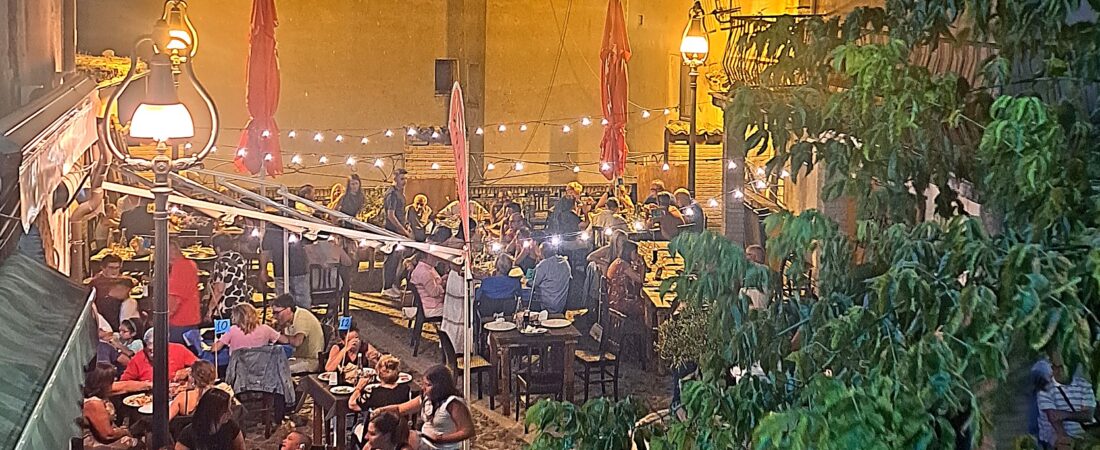
Authentic Tips for Living, Eating, and Traveling Like a Local
There is a version of Italy that most itineraries never reach — the one that unfolds slowly, in the pause before a coffee is poured, in a market stall where the vendor starts to remember your face by the second visit. It has little to do with checking monuments off a list, and everything to do with rhythm: the unhurried lunch, the evening spent at the same neighborhood bar, a piazza that changes character with the hour.
To experience Italy like an Italian rather than a visitor passing through, slow down. Let cafés, markets, churches, and piazzas set the pace of your day, rather than a list of sights to tick off.
What follows is a guide to the habits, the mealtimes, the unspoken etiquette, and the quieter corners that turn a trip into something closer to lived Italian days.
Immersing Yourself in Local Culture
The most authentic experiences rarely come from a guidebook. They come from a few words of Italian offered with a smile, a real conversation struck up at the right moment, from simply showing up at the events a neighborhood holds for itself rather than for visitors. These small efforts earn something an itinerary can’t buy: quieter doors opened, ordinary days turned memorable.
Learning Essential Italian Phrases
Start with polite basics: buongiorno, per favore, grazie, scusi, and arrivederci. Use them at cafés, markets, and small shops — they change how people respond to you almost immediately.
A few functional phrases go a long way for ordering and shopping:
- “Un caffè, per favore.” (One espresso, please.)
- “Quanto costa?” (How much does it cost?)
- “Posso avere il conto?” (May I have the bill?)
Practice the pronunciation until it feels natural, and carry a small phrase list — or quick-voice snippets on your phone — for the moments you want to navigate without constant translating. Even imperfect Italian, offered as an honest attempt rather than an apology, tends to invite warmer service and easier exchanges.
Connecting With Locals
Seek out the spaces locals actually use: the neighborhood bar rather than the café by the monument, the daytime market, the small trattoria a few streets back from anywhere a tour bus would stop. Sit at the bar. Talk about food, or football, and listen more than you speak.
A few conversation starters open more doors than you’d expect:
- Ask a vendor which produce is best this week.
- Comment on the day’s catch at a fishmonger.
- Ask for a local restaurant recommendation by neighborhood.
Join a short class — cooking, language exchange, or ceramics — to meet residents who share your interests. Be punctual, respect mealtimes, and follow local cues, like greeting with a handshake or a kiss on the cheek where it fits. Over time, these small moments tend to lead somewhere better: an invitation to a home dinner, a tip about a hidden neighborhood spot.
Attending Community Festivals
Look for a sagra — a local food festival — a patron saint’s day, or a market that only appears once a month on the town calendar. These are the events that show regional dishes, music, and tradition exactly as they’re meant to be, with nothing adjusted for an audience.
A little planning helps:
- Check start times — some celebrations begin late and run well into the night.
- Bring cash for food stalls and small purchases.
- Wear comfortable shoes for cobbled streets and processions.
Once there, stand respectfully during religious moments and follow the crowd’s lead during processions. Buy from local vendors, try the regional specialties, and ask questions — you’ll learn the origins and small variations directly from the people who grew up with them.
Dining the Italian Way
Meals in Italy follow their own rhythm, tied closely to place and season, and treated as time to be savored rather than a task to get through. Expect clear mealtimes, dishes that shift from region to region, and an unhurried ritual before dinner that’s worth learning properly.
Understanding Italian Mealtimes
Lunch (pranzo) typically runs 12:30–2:30 p.m.; many restaurants close afterward and reopen for dinner. Dinner (cena) usually starts around 7:30–9:30 p.m., later in the south — tourist areas may serve earlier, but locals eat late.
A full meal follows a sequence: antipasto, primo (pasta or rice), secondo (meat or fish), contorno (a vegetable side), and dolce. You don’t have to order every course — sharing plates or choosing just one is perfectly authentic, and avoids waste. Ask for acqua naturale or frizzante; sparkling water is the norm. And mind the coffee etiquette: order espresso standing at the bar for a quick shot, and skip the cappuccino after midday if you’d rather blend in.
Navigating Regional Cuisine
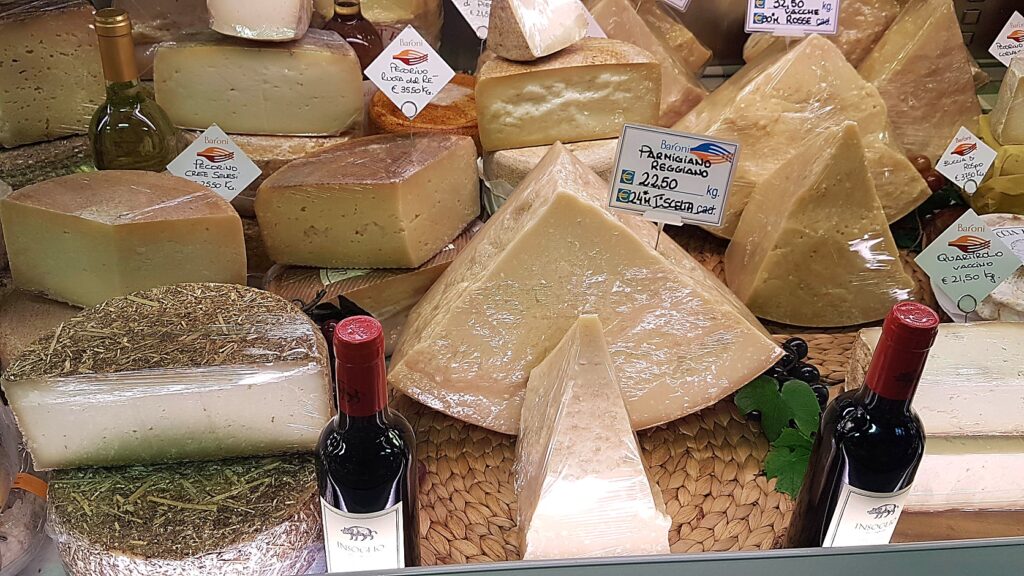
Italian food is tied tightly to region and season. In Emilia-Romagna, look for fresh tagliatelle al ragù and prosciutto di Parma; in Campania, Neapolitan pizza and buffalo mozzarella; in Sicily, seafood, caponata, and citrus-forward desserts. Learning one or two local specialties before you go makes it easy to ask for the house version.
Markets tell you what’s in season: buy the fruit, the pecorino, the local salumi. At the table, ask the server what’s freshest — menus often shift with the market that morning. And respect the regional rules: in Rome, carbonara contains no cream; in Liguria, pesto is made with basil and coarse-ground pine nuts. Ordering those dishes elsewhere is a quick lesson in how much a recipe can change from one region to the next.
Enjoying Aperitivo Like a Local
Aperitivo runs roughly 6:00–9:00 p.m., a stretch of pre-dinner time built entirely around slowing down together. Order an Aperol Spritz, a Negroni, or a local wine, and expect small plates — cured meats, olives, cheeses, simple crostini — often included with the drink or offered for a modest extra.
Use aperitivo to get a feel for a restaurant before committing, or simply to meet people. Sit at the bar for conversation, take a table if you plan to graze a while. Don’t rush it — aperitivo is meant to extend the evening, not replace dinner. When the crowd starts to thin, follow the locals to a nearby trattoria for the fuller meal ahead.
For a closer look at this beloved ritual, explore our guide to the Italian aperitivo, from Spritz and small bites to the tradition of gathering before dinner.
Exploring Beyond Tourist Hotspots
The richer meals, the quieter streets, the more genuine conversations tend to wait just past the edge of the well-worn path — in the smaller towns and the local markets rather than the crowded attractions. A few practical choices make the difference: which towns to visit, what to look for at a market, how to carry yourself once you’re there.
Visiting Lesser-Known Towns
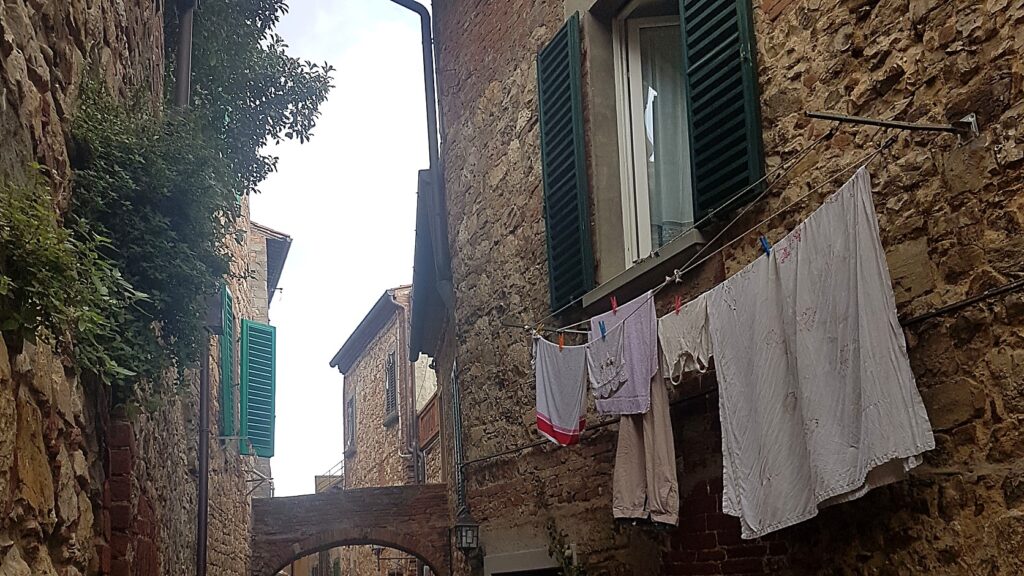
Choose towns with a clear rhythm of their own — Pienza in Tuscany for pecorino and hilltop views, Matera in Basilicata for its cave neighborhoods, Treviso just north of Venice for canals without the crowds. Arrive by regional train or a short bus ride, skipping the tourist transfer hubs entirely. Walk rather than rush: linger at a bar for the morning coffee, watch a shopkeeper repair goods by hand, sit in the piazza at sunset and listen to the town find its evening tempo.
Respect local business hours — many small shops close mid-afternoon — and carry cash for the bakeries, butchers, and family-run trattorie that still prefer it. A handful of phrases go a long way: buongiorno, grazie, posso? Staying in a guesthouse or agriturismo often means a host who can point you toward the real festival, the seasonal product, the quieter viewpoint no guidebook mentions.
Discovering Neighborhood Markets
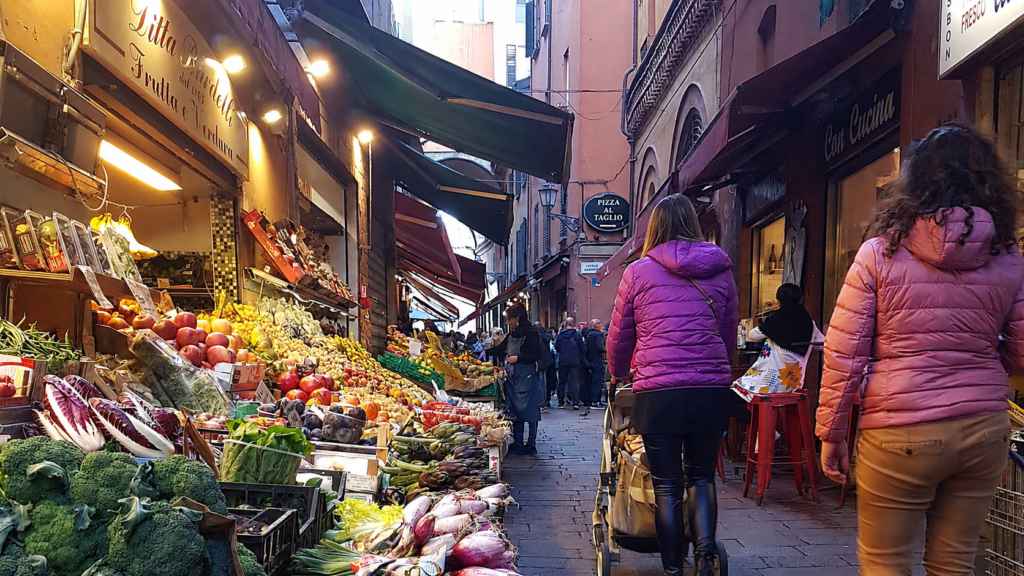
Go on a weekday morning for the best selection and the fewest crowds. Look for the mercato comunale — the municipal market — rather than anything set up for tourists; that’s where you’ll find peak-season fruit, fish sold the same day it was caught, and cheese priced for people who live there. Bring reusable bags, an insulated tote if you’re buying cheese or fish, and coins for small purchases.
Watch how locals shop: they ask about provenance, smell the produce, chat with the vendor before deciding. Ask what they’d recommend — how to cook a cut of meat, which olive oil pairs best with the tomatoes on the table beside it. Pick up a few ready-to-eat things — a slice of olive-asparagus focaccia, a wedge of torta rustica — and eat standing at the counter. That small ritual, more than almost anything else, is what everyday Italian life actually feels like.
Adapting to Italian Daily Life
Settling into Italian rhythm means shifting your own: shared meals, slower mornings, a kind of practical politeness that smooths every interaction once you learn it.
Embracing a Slower Pace
Most towns structure the day around a few fixed moments: a quick espresso taken standing up, a long lunch break during which many shops simply close, an evening aperitivo that starts the socializing well before dinner. Plan errands around this rhythm — visit offices mid-morning rather than right at opening, and expect shops to shut for lunch somewhere between 1 and 3 p.m.
Small habits signal that you understand where you are: take your coffee at the bar, linger over a glass of wine at aperitivo, schedule anything important after 10 a.m. Walk more slowly through historic centers, and accept that bureaucracy and service will, almost certainly, take longer than you’re used to.
Respecting Local Etiquette
Learn the basic greetings and use them without fail: “buongiorno” or “buonasera” on entering a shop, “grazie” and “per favore” throughout. These small phrases open doors and smooth almost every transaction.
Match your formality to the room. Use surnames and “Lei” in professional settings or with elders, and only shift to first names and “tu” once you’ve been invited to. Dress neatly — smart casual for restaurants and churches, and save the beachwear for the actual beach. At the table, wait for the host to begin eating, and keep your hands visible above it.
Traveling as Italians Do
Moving like a resident, rather than a visitor, comes down to a few practical things: knowing the schedules, validating your ticket, adjusting your driving to narrow roads and local habits.
Using Public Transportation
Buy tickets before boarding — at a tabacchi, a vending machine, or an app — and validate them in the yellow or green machines as you enter a train, bus, or tram. Skipping validation often results in a fine; inspectors check at random, especially on regional and urban lines.
On metros and buses, carry small change or a contactless card, since some suburban buses won’t take cards on board. During peak hours, move toward the ends of the carriage to leave room near the doors, and keep your bag in front of you in crowded spaces.
For intercity travel, reserve seats on the high-speed trains (Frecciarossa, Italo) and arrive 15–20 minutes early. Regional trains only need a valid, validated ticket — check the departure boards for platform changes and listen for announcements.
Driving in the Countryside
Rent something small for the narrow lanes and tight parking of hill towns. Choose diesel or an efficient petrol engine for longer drives, and expect many rural stations to still favor manual transmission. Bring a GPS with offline maps — mobile signal thins out fast once you’re off the main roads.
Watch for ZTL (limited traffic zone) signs in historic centers; driving into one without a permit triggers an automatic fine. Park in the designated lots outside the center and walk in. On the winding SR and SP roads, drive with a little extra caution — stone walls, tractors, and blind corners all arrive with no warning.
Blue parking spaces mean paid, white means free, yellow means reserved — always display the parking disc where one’s required. And in small villages, fuel stations may close at midday, so top up before you leave the larger towns.
Shopping Local and Supporting Artisans
Buy from the people who stitch, carve, or cure their products by hand, and choose the shops where you can actually learn the story behind what you’re taking home. It’s a small way of keeping money — and technique — inside the community that made it.
Choosing Handcrafted Goods
Look for the signs of handwork: an uneven stitch in leather, a tool mark left in ceramic, the particular scent and texture of a cured meat or cheese. Ask about materials and provenance — whether the olive wood came from a local grove, whether the ceramic glaze is lead-free, whether the wool is regional. The answers tell you whether something was made to last.
Use your phone’s zoom, or a small magnifier, to look closely at seams and joinery. Ask for a demonstration when it’s offered — many artisans are glad to show you a piece being thrown on the wheel, or glass being hand-etched. And pay attention to the care instructions; they’re often the difference between a piece that lasts and one that doesn’t.
Visiting Family-Owned Shops
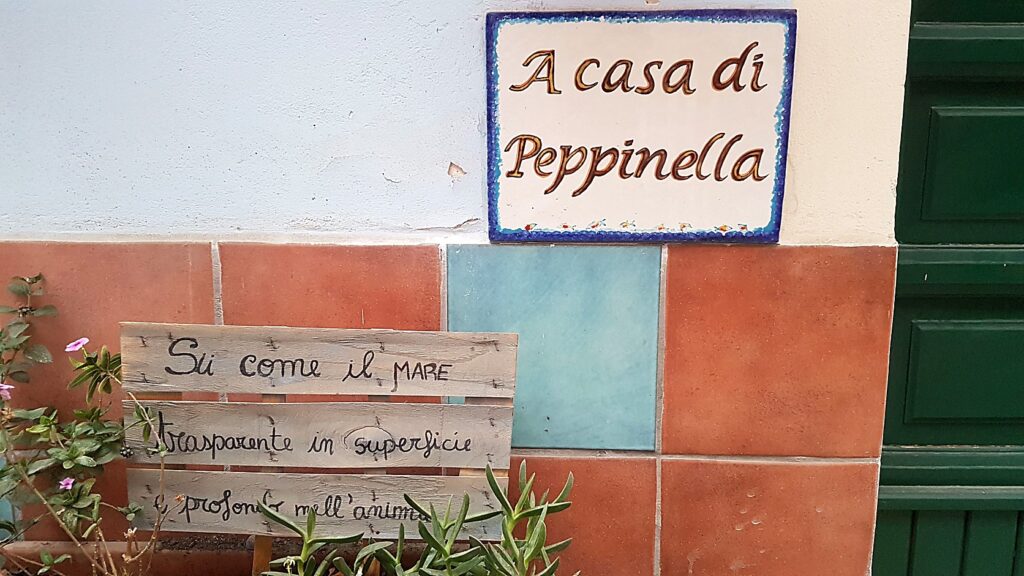
Family-run shops often carry techniques passed down for generations, selling limited runs rather than mass-produced batches. Walk in with genuine curiosity: ask who makes the product, how long the family has worked in the trade, whether they source locally. The answers tend to say everything about authenticity.
If your budget is tight, support these shops with something smaller but well made — a bar of soap, a cutting board, a silk scarf — rather than a souvenir made somewhere else entirely. Visit mid-morning, when owners have time to talk, and keep some cash on hand; many small vendors still prefer it to a card.
None of this requires a perfect itinerary. It asks for less planning, not more — a slower morning, a willingness to sit at the bar a little longer, an ear open to the rhythm a town already has. Follow it, and Italy stops being somewhere you visit, and starts, if only for a week or two, being somewhere you live.